
How to Fix Dense, Heavy Bread (Baking Hack)
You pull your loaf out of the oven expecting something light and airy, and instead you get a brick that could double as a doorstop. I’ve been there more times than I’d like to admit. Dense bread isn’t a mystery curse, though; it almost always comes down to one of a handful of fixable mistakes.
Let’s figure out where things went wrong.
Your Yeast Might Already Be Dead
Dead yeast is the number one culprit behind bread that refuses to rise properly. If your yeast doesn’t foam up when mixed with warm water and a little sugar, it’s not going to do much for your dough either.
Here’s a quick way to check:
- Mix one teaspoon of yeast with warm water (around 105-110°F) and a pinch of sugar.
- Wait 5-10 minutes.
- If it doesn’t get bubbly and foamy, toss it and grab fresh yeast.
I skipped this test once, blamed my recipe for a failed loaf, and later realized my yeast had been sitting open in the pantry for a year. Lesson learned the hard way.
Pro Tip: Store yeast in the fridge or freezer once opened. It stays active far longer than leaving it in a warm pantry.
Water Temperature Matters More Than You’d Think
Too-hot water kills yeast instantly, and too-cold water barely wakes it up at all. Ever wondered why some bakers seem obsessive about water temperature? This is exactly why.
Aim for water between 100°F and 110°F, roughly the temperature of a warm bath. No thermometer? Test it on your wrist like you would with a baby bottle. If it feels comfortably warm, not hot, you’re in the right zone.
You’re Probably Not Kneading Enough
Kneading develops gluten, and gluten is what gives bread its structure and stretch. Under-kneaded dough can’t trap the gas bubbles that yeast produces, which means your bread stays flat and dense no matter how long it rises.
How to Know When You’ve Kneaded Enough
Try the windowpane test:
- Pull off a small piece of dough.
- Stretch it gently between your fingers.
- Hold it up to the light.
- If it stretches thin enough to see light through without tearing, you’re done.
If it rips immediately, keep kneading. IMO, this test saves way more loaves than guessing based on time alone.
Not Letting Dough Rise Long Enough (Or in the Right Spot)
Rushing the rise is one of the most common mistakes home bakers make. Dough needs time for the yeast to actually produce gas and build structure, and a cold kitchen can slow that process down dramatically.
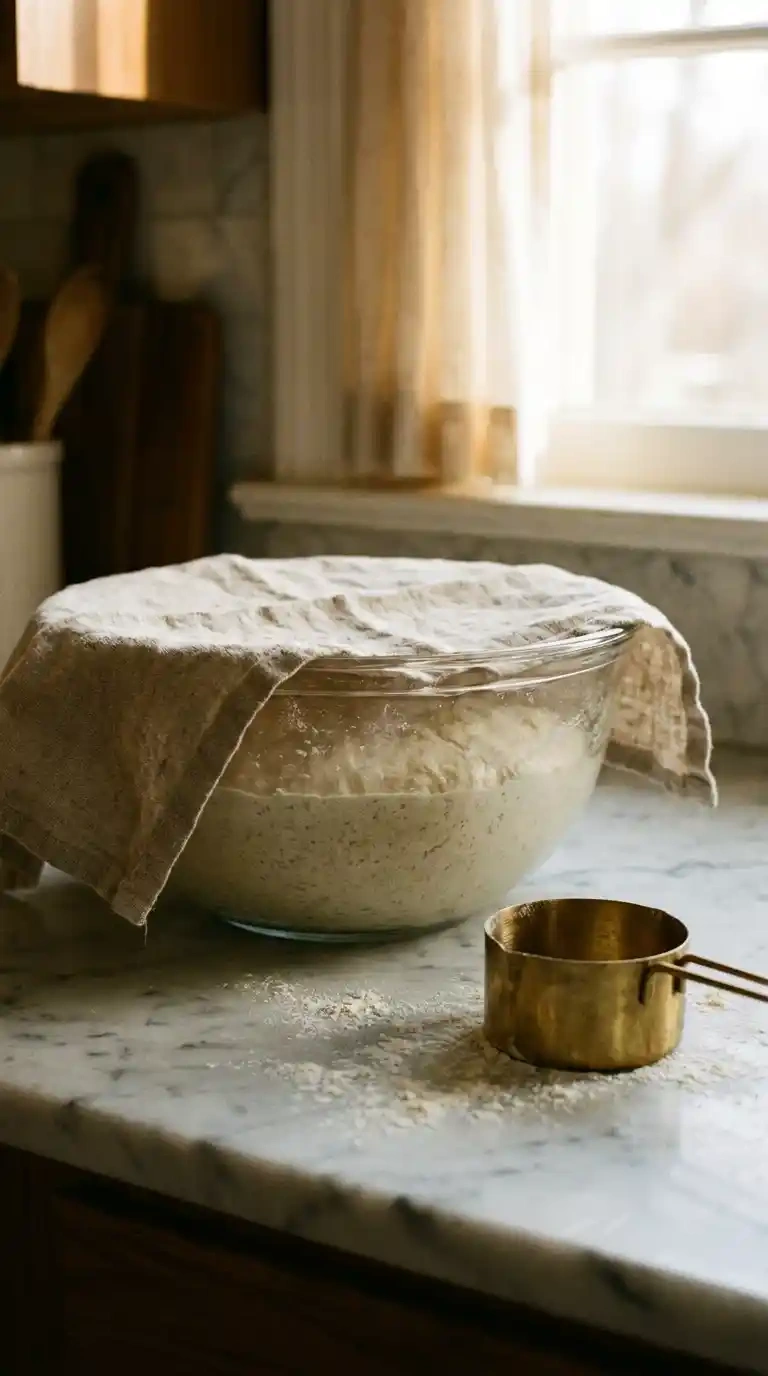
Find a warm, draft-free spot for rising, like inside an unheated oven with the light on. Most bread dough needs 1-2 hours for the first rise, though this varies by recipe and room temperature. If your dough hasn’t roughly doubled in size, it needs more time, not a shortcut.
Pro Tip: Do the poke test. Press a finger into the dough gently. If the indent springs back slowly and partially, it’s ready. If it springs back instantly, it needs more time.
Too Much Flour Ruins Everything
Adding flour by scooping directly from the bag packs way more into your measuring cup than the recipe intends. That extra flour makes dough stiff, dry, and dense once baked.
Weigh your flour with a kitchen scale whenever possible for accuracy. If you don’t have one, spoon flour into your measuring cup and level it off with a knife instead of scooping directly. This one small habit fixes more dense-bread problems than people expect.
Skipping the Second Rise
A lot of recipes call for shaping the dough and letting it rise a second time before baking, and skipping this step is tempting when you’re hungry and impatient. That said, this second rise is what gives bread its final lightness and shape.
Cutting this step short traps the dough in its denser, pre-shaped state. Give it at least 30-45 minutes, depending on your recipe, before it goes into the oven.
Your Oven Might Not Be Hot Enough
Bread needs a blast of high heat early in baking to get a good rise, known as “oven spring.” An oven that runs cooler than its display suggests won’t give your loaf that initial lift.
Use an oven thermometer to check your oven’s actual temperature rather than trusting the dial. Preheat fully before your bread goes in, and resist opening the door repeatedly, since that lets heat escape fast.
Cutting Into It Too Soon
This one hurts to admit, but slicing warm bread right out of the oven is basically sabotage. The inside is still cooking and setting as it cools, and cutting too early releases steam that would otherwise finish the process.
Let your loaf cool for at least 30-60 minutes before slicing, depending on its size. I know the smell makes waiting nearly impossible, but that patience pays off in texture 🙂
Bringing It All Together
Dense bread almost always traces back to one of these issues: dead yeast, wrong water temperature, under-kneading, rushed rises, too much flour, or an oven that’s not actually as hot as it claims. Fix the right variable, and your bread transforms completely.
Will your very next loaf come out bakery-perfect? Maybe not immediately, but you’ll get a whole lot closer once you know what to check. Now go preheat that oven and give your bread another shot :/