Stop Wasting Money: 7 Cheap Ingredient Swaps
My grocery bill used to make me want to cry harder than that onion trick could ever fix. Then I started paying attention to which “essential” ingredients were actually just expensive marketing, and which ones had a cheaper cousin doing the exact same job. Turns out, half my pantry was overpriced for no good reason.
Here’s what I swapped out, and why it actually works.
Buttermilk → Milk and Vinegar
Recipes call for buttermilk constantly, but who actually keeps a carton around for one pancake recipe? Not me. And honestly, it goes bad before you use half of it anyway.
Mix one tablespoon of vinegar or lemon juice into a cup of regular milk and let it sit for five minutes. It curdles slightly and mimics buttermilk’s tang almost perfectly. IMO, you genuinely can’t tell the difference in baked goods.
Fresh Herbs → Dried Herbs (When It Makes Sense)
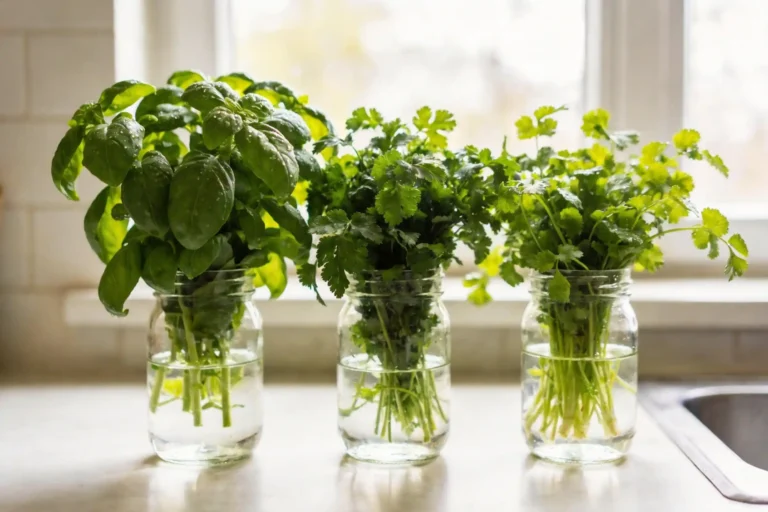
Fresh herbs are gorgeous, sure, but they’re also pricey and wilt if you look at them wrong. Dried herbs cost a fraction of the price and last for months in your pantry.
The conversion isn’t complicated:
- Use one-third the amount of dried herbs compared to fresh
- Add dried herbs earlier in cooking since they need time to rehydrate
- Save fresh herbs for garnishing, where their texture actually matters
Will dried oregano taste identical to fresh in every dish? Not exactly. But in a slow-simmered sauce, nobody’s noticing the difference.
Heavy Cream → Evaporated Milk
Heavy cream is one of those ingredients that seems to disappear fast once you crack it open. Evaporated milk costs less, has a longer shelf life, and works beautifully in most sauces and soups.
Swap it 1:1 in most recipes, though it won’t whip into peaks like real cream will. For soups, casseroles, and creamy pasta sauces, it’s basically a seamless replacement.
Pro Tip: keep a can or two of evaporated milk in your pantry at all times. It doesn’t need refrigeration until opened, so it won’t go to waste like an open carton of cream sitting in your fridge.
Pine Nuts → Sunflower Seeds or Walnuts
Pine nuts are absurdly expensive for what they are. A small bag can cost more than the rest of your pesto ingredients combined, and that’s just silly.
Toasted sunflower seeds or walnuts deliver a similar richness and crunch for a fraction of the cost. Toast them the same way you’d toast pine nuts, and honestly, most people can’t tell the difference once everything’s blended into pesto.
Brown Sugar → White Sugar and Molasses
Running out of brown sugar mid-recipe is one of the most annoying kitchen moments. Skip the store run entirely.
Combine one cup of white sugar with one tablespoon of molasses and mix until evenly distributed. That’s light brown sugar. Add an extra tablespoon of molasses for a dark brown sugar substitute. It works every single time.
Pro Tip: this trick also saves you from brown sugar turning into a rock-hard brick in your pantry, since you’re making it fresh each time.
Shallots → Onion and Garlic
Shallots have this reputation for being fancy and irreplaceable, but they’re really just a milder mix of onion and garlic flavor. And they cost noticeably more per pound.
For every shallot a recipe calls for, use a small amount of finely diced onion plus a bit of minced garlic. The ratio doesn’t need to be exact here since you’re aiming for a similar flavor profile, not a chemistry equation.
Parmesan Rind Broth → Buying Extra Broth
This one isn’t really a swap so much as a “why didn’t I think of this sooner” trick. Save your parmesan rinds instead of tossing them, and toss them into soups or broths while they simmer.
The rind adds a savory depth that would otherwise require buying more cheese or expensive broth additives. Once you’re done, just fish out the rind before serving. FYI, freeze rinds in a bag if you don’t have soup plans immediately, they’ll keep for months.
Small Changes, Real Savings
None of these swaps require a special trip to a fancy grocery store or a complicated shopping list. They just require knowing which ingredients are doing more for your bank account’s stress level than your actual cooking.
Will every swap taste 100% identical to the original in every single dish? Probably not, and that’s okay. But your wallet will notice the difference a lot faster than your taste buds will. Now go raid your pantry and see how many of these you can start using tonight 🙂